Optimize Effectiveness With Leading Oilfield Equipment Rental Solutions
In the progressing landscape of the oilfield industry, making best use of efficiency via devices rental options becomes a tactical imperative. By leveraging rental options, companies can reduce upfront funding expenses while getting to advanced modern technology and important maintenance services. This approach not only attends to the vibrant nature of job needs yet additionally enhances overall operational effectiveness. The choice of the appropriate provider and understanding the subtleties of crucial tools types are crucial variables that can substantially influence outcomes. What considerations should be focused on to ensure peak efficiency and success in this affordable market?
Advantages of Equipment Rental
When taking into consideration the operational demands of an oilfield job, the benefits of tools rental ended up being promptly evident. Renting out devices provides considerable financial benefits, as it gets rid of the upfront capital investment connected with purchasing pricey equipment. This is especially beneficial for companies that might need specialized tools for a minimal timeframe, permitting them to allocate sources more successfully.
Additionally, tools rental provides accessibility to the latest innovation and equipment, making sure that operators can make use of state-of-the-art tools without the burden of lasting possession. This gain access to not just improves functional efficiency but additionally boosts safety requirements, as more recent equipment usually integrates innovative security attributes.
One more benefit depends on the adaptability that rental alternatives provide. Jobs usually encounter unexpected difficulties that may require modifications in devices demands. Rental arrangements can be customized to suit changing task needs, enabling business to scale their procedures up or down without the problems related to asset disposal or procurement.
Furthermore, rental business normally offer maintenance and assistance services, decreasing the concern on in-house groups and making certain that devices remains in prime functioning problem. On the whole, the calculated use tools rental can greatly improve job effectiveness and cost-effectiveness in the oilfield sector.
Secret Equipment Enters
Understanding the crucial equipment types essential for oilfield procedures is vital for making best use of effectiveness. This consists of a series of exploration devices that facilitates the removal procedure and various manufacturing support devices that enhance operational abilities. By concentrating on these crucial groups, business can ensure they are fully equipped to meet industry demands.
Drilling Equipment Fundamentals
Performance in drilling procedures counts greatly on the option and application of fundamental equipment types. The cornerstone of any type of exploration procedure is the drilling rig, which acts as the main system for the drilling procedure. Pipeline Equipment Rental Authority. Midland Pipeline Equipment Rental Authority. Numerous gear types, such as land gears and overseas gears, satisfy particular functional settings and demands
Matching the gear are the rotary drill little bits, which penetrate the earth's surface area and are offered in numerous layouts, including tricone bits and PDC bits, each suited for various geological conditions. In addition, drilling mud systems play a substantial duty in keeping pressure, cooling down the little bit, and bring cuttings to the surface area. Choosing the appropriate mud kind is vital for effective exploration.
Another vital component is the housing and cementing tools, which guarantees well integrity and protects against collapse or contamination. The selection of casing products and concrete formulations affects the long-lasting success of the well.
Assistance devices such as blowout preventers (BOPs) supplies essential safety procedures throughout exploration operations. Together, these devices types develop the foundation of reliable exploration, making educated selection and management necessary for successful oilfield operations.
Manufacturing Assistance Tools
Adhering to the successful exploration phase, the focus shifts to production support tools, which play a vital function in drawing out hydrocarbons from the wellbore and making certain optimal flow prices. These tools include a range of tools crucial for maintaining effective production procedures.
One essential sort of manufacturing support tool is the subsurface pump, which is made use of to lift liquids from deep within the wellbore. These pumps come in various setups, such as rod pumps and electrical submersible pumps, each developed to accommodate certain well conditions and manufacturing rates.
Separators are another substantial element, as they facilitate the separation of oil, gas, and water, permitting for the efficient processing of created fluids. Making use of separators assists enhance the quality of the output while lessening handling and transport prices.

Cost-Effectiveness Evaluation
A cost-effectiveness analysis of oilfield devices rental solutions calls for an extensive comparison of rental versus purchase costs. By taking a look at both immediate expenditures and lasting financial advantages, firms can make educated choices that straighten with their operational needs. This evaluation not only highlights potential financial savings however additionally deals with the impact on capital and source allocation.
Rental vs. Acquisition Expenses
Evaluating the prices linked with oilfield tools demands a comprehensive understanding of the financial effects of rental versus acquisition alternatives. When taking into consideration rental options, firms can enjoy instant access to the current modern technology and equipment without the concern of significant upfront prices. Rentals normally entail predictable, temporary costs that align with task timelines, enabling budget flexibility.
On the other hand, buying tools needs a significant first investment, commonly locking up funding that could be utilized for various other functional needs. Possession likewise brings ongoing expenses, including upkeep, storage space, and prospective devaluation. For companies engaged in tasks with varying demands, the economic dedication of buying equipment may not produce the finest roi.
Additionally, rental contracts commonly offer access to substantial assistance solutions, minimizing the demand for in-house competence and decreasing downtime. Conversely, the long-lasting economic implications of possession can show up in unexpected expenses or equipment obsolescence, potentially impacting functional efficiency.
Ultimately, the selection in between renting and acquiring oilfield devices pivots on a business's certain operational demands, task range, and monetary strategy. A cautious cost-benefit analysis is important to identify one of the most reliable technique for taking full advantage of functional effectiveness.
Long-Term Financial Conveniences
Lasting monetary advantages of oilfield devices rental can substantially improve a business's total cost-effectiveness when taken care of tactically. By choosing rental services, business can stay clear of the substantial upfront resources expenditures related to purchasing equipment. This permits the allotment of funds to other vital locations, such as labor force growth or technology upgrades, thereby cultivating overall growth.
Rental agreements frequently consist of maintenance and assistance services, which can significantly lower unexpected repair work expenses and downtime. This predictability in cost monitoring makes it possible for companies to preserve tighter control over their spending plans. In addition, with the oil and gas market subject to fluctuations in need, rental choices offer the flexibility to scale operations up or down without the worry of long-lasting dedications tied to possession.
In addition, renting out tools permits firms to access the most current modern technology without the devaluation sets you back tied to owned assets. This not just improves functional effectiveness yet additionally keeps business affordable in a rapidly progressing market. In summary, through strategic devices rental, companies can maximize long-lasting financial benefits, making sure sustainable development and increased productivity in the oilfield market.
Selecting the Right copyright
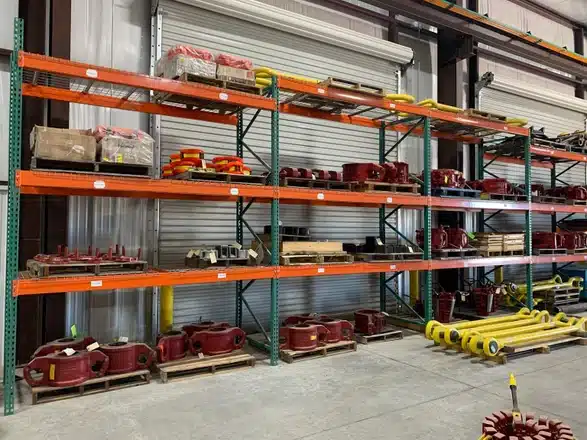
Start by looking into the supplier's background and client evaluations to assess reliability and service quality. A well-established company frequently represents stability and competence, which are vital when taking care of intricate oilfield procedures. Additionally, analyze their inventory to confirm they supply contemporary, properly maintained tools that complies with safety laws.
Another important aspect is the degree of client assistance supplied. A receptive copyright can aid with quick troubleshooting and maintenance, reducing downtime during essential operations. Additionally, review the adaptability of rental terms, as this can greatly affect task view budgets and timelines.
Technology and Development
In today's quickly developing oilfield landscape, modern technology and advancement play a crucial function in improving operational efficiency and security. The assimilation of sophisticated innovations such as automation, information analytics, and IoT (Internet of Things) is transforming conventional oilfield operations. These tools enable real-time monitoring and anticipating maintenance, which considerably minimize downtime and maximize tools performance.
Technologies in exploration modern technologies, such as rotating steerable systems and took care of pressure drilling, permit for greater precision and decreased ecological effect. These innovations result in extra reliable source extraction while reducing risks connected with exploration procedures.
The increase of digital platforms for devices rental solutions has structured the procurement process, allowing companies to access the newest equipment without significant funding investment. This adaptability guarantees that operators can adapt to altering project needs and technical innovations promptly.
Additionally, using simulation and online reality training programs equips employees with the skills necessary to run complicated machinery securely and successfully. Professional Oilfield Rental Services. As the oilfield industry remains to welcome these technological improvements, companies that purchase development will likely see better productivity and sustainability in their operations
Study of Success
The effective execution of innovation and advancement in oilfield operations has yielded substantial results, as shown by numerous study across the sector. One compelling instance includes a significant oil and gas business that took on sophisticated exploration devices leasings, resulting in a 30% decrease in exploration time - Midland Pipeline Equipment Rental Authority. This effectiveness gain not just reduced operational costs but also improved resource allowance across multiple jobs
Another instance highlights a mid-sized expedition company that made use of advanced hydraulic fracturing tools via a rental service. By leveraging this technology, the business attained a 25% rise in manufacturing prices within just six months. This case highlights the value of accessibility to sophisticated tools without the monetary problem of ownership.
A third case study highlights just how a service copyright incorporated real-time data analytics into their rental services. This advancement equipped area drivers to make data-driven choices, boosting safety procedures and decreasing downtime. The results were extensive, leading to a 15% rise in total functional efficiency
These study exhibit how strategic tools rentals can drive success, demonstrating that technology and innovation are crucial in maximizing oilfield operations.
Future Fads in Rentals
As the oil and gas industry proceeds to evolve, emerging fads in tools services are improving operational methods and enhancing efficiency. One considerable trend is the combination of electronic innovations, such as IoT and AI, which provide real-time information analytics for rental devices. This ability enables drivers to monitor devices efficiency, predict upkeep needs, and maximize utilization rates, inevitably reducing downtime and costs.
There is a growing emphasis on sustainability, with many firms seeking environmentally friendly tools alternatives. This change not only aligns with worldwide ecological goals but also brings in clients who prioritize accountable techniques. In enhancement, the rise of modular and flexible rental services caters to the market's need for adaptability, permitting firms to scale operations up or down based upon task needs without the worry of long-term commitments.
Lastly, the pattern towards tactical collaborations and cooperations among rental companies and service suppliers facilitates access to customized equipment and experience. This harmony enhances solution offerings and provides clients with extensive options customized to their special difficulties. As these patterns remain to establish, the oilfield devices rental landscape will definitely change, driving better performance and advancement throughout the industry.
Regularly Asked Concerns
What Insurance Alternatives Are Readily Available for Rented Oilfield Equipment?
When leasing oilfield equipment, several insurance alternatives are typically available to shield against prospective problems or losses. Common selections consist of liability insurance policy, which covers third-party cases, and equipment insurance policy, securing versus unintentional problems or burglary. Furthermore, rental business may provide loss damages waivers that restrict financial duty in case of loss. It's suggested to assess plans thoroughly and talk to an insurance coverage expert to ascertain ample insurance coverage tailored to certain operational demands.
How Do I Preserve Security Standards While Making Use Of Rented Equipment?
Keeping safety standards while using rented out equipment entails several essential methods. To start with, ensure that all drivers are appropriately trained and acquainted with the equipment. Conduct thorough examinations prior to and after use to identify any kind of potential dangers. Establish clear safety and security procedures, including making use of personal protective equipment (PPE) In addition, stick to producer standards and pertinent regulatory criteria. Normal communication and safety instructions among employee can also boost understanding and promote a culture of safety.
What Is the Regular Rental Period for Oilfield Equipment?
The typical rental duration for oilfield equipment differs based upon job requirements and devices type. Typically, rentals can range from temporary arrangements of a couple of days to long-term contracts crossing several months or perhaps years. Aspects affecting rental period include project timelines, tools schedule, and budget restraints. It is a good idea for business to assess their particular demands and seek advice from rental suppliers to establish the most ideal rental duration for their operations.
Can I Customize Rented Equipment to Fit My Job Needs?

Yes, it is frequently feasible to tailor rented equipment to satisfy particular project needs. Many rental business offer a series of options, including modifications in size, capability, and accessories to assure the tools straightens with your operational demands. It is recommended to discuss your personalization requires with the rental supplier ahead of time, as this can facilitate a customized option that boosts effectiveness and efficiency on-site while ensuring compliance with safety and security criteria.
What Happens if Leased Equipment Breaks Down On-Site?
In case leased tools breaks down on-site, the rental business typically offers an assistance system that consists of immediate aid and repair work services. Trigger communication with the rental company is necessary to assess the scenario and determine the required steps for resolution. Depending on the terms of the rental contract, replacement equipment might be sent off promptly to lessen downtime, guaranteeing that job schedules continue to be on course and functional efficiency is preserved.